

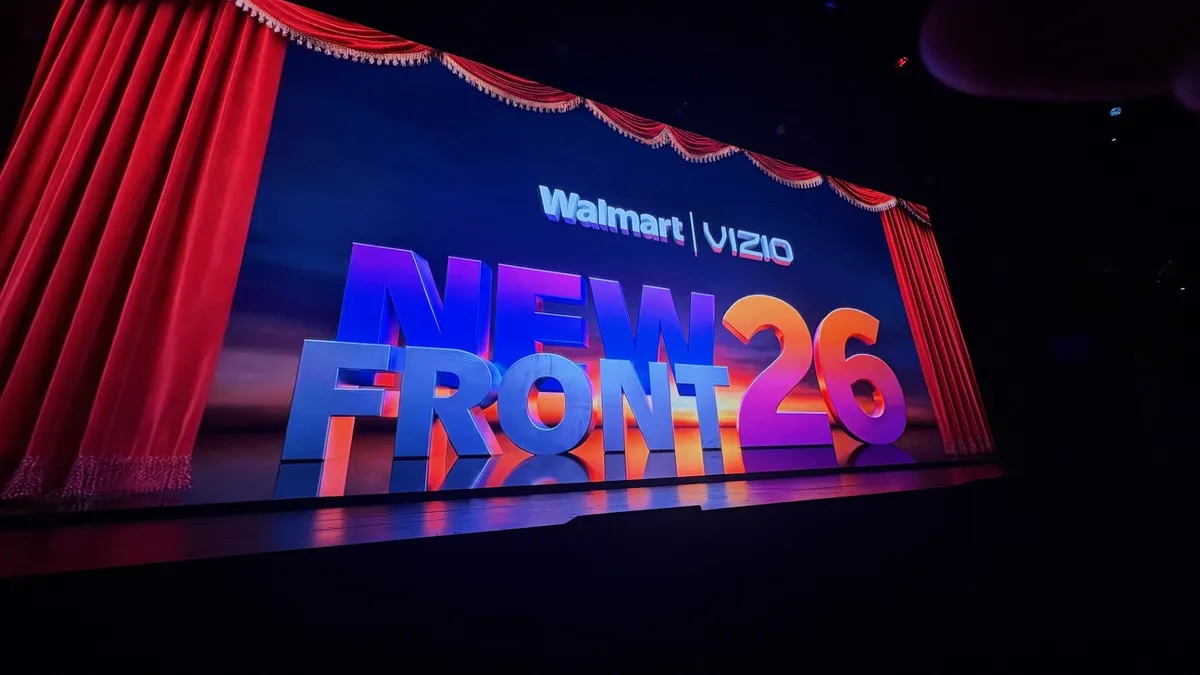
NEW YORK — In their first unified NewFronts presentation, Walmart and Vizio this week provided a closer look at how they’re building a content-to-commerce strategy that ties connected TV advertising closer to retail product discovery and transactions. During the showcase Monday afternoon, executives from both businesses emphasized the scale of their audiences — 150 million weekly U.S. customers for Walmart and 92 million households for Vizio — and how Walmart’s first-party data can enhance activations on the living room screen.
Vizio is a key piece of Walmart’s efforts to realize a full-funnel approach that extends beyond largely performance-oriented retail media channels and can tap into awareness-building premium video environments that are highly valuable for advertisers. Vizio, which Walmart reports separately from its U.S. advertising division Connect, delivered triple-digit growth for the financial quarter ended Jan. 31. Connect revenue was up 41% over the same period.
“Together, we’re building something even bigger. It’s a brand flywheel that allows you to connect media, engagement and commerce across the entire customer journey,” said Nyma Quidwai, vice president of client services at Vizio, during the roadshow pitch to brands and advertising agencies.
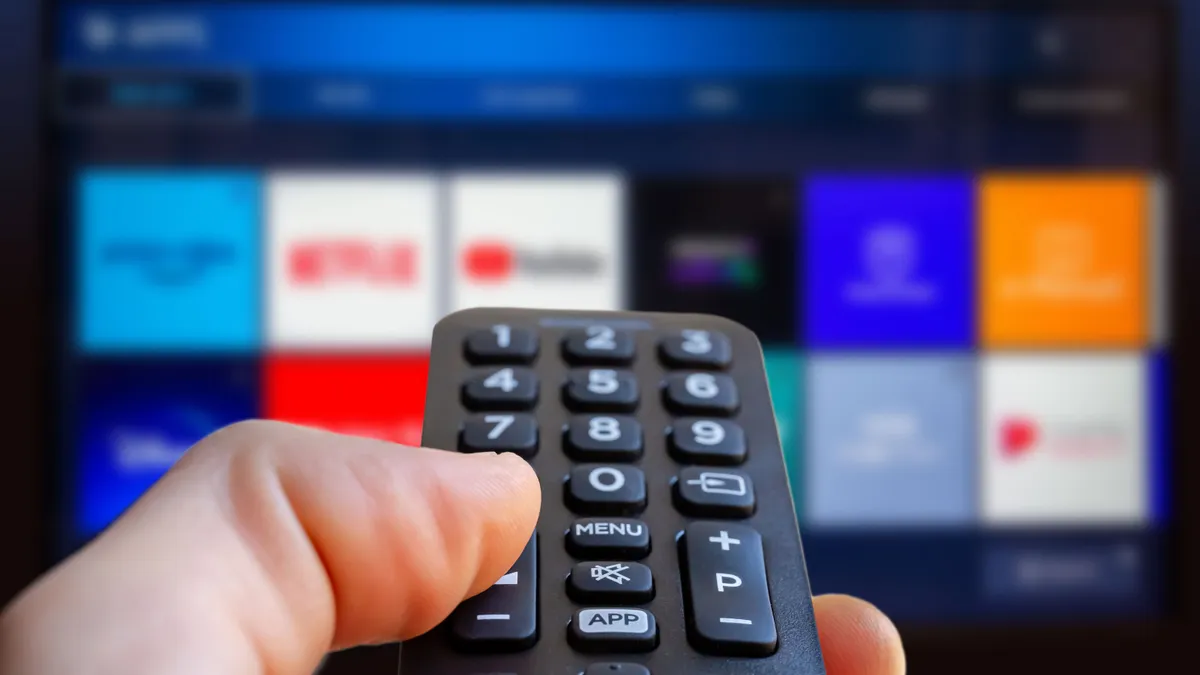
Vizio, a CTV device maker Walmart acquired for $2.3 billion two years ago, highlighted addressable advertising formats like Home Screen takeovers, its ad-supported WatchFree+ channel and a Sports Zone portal dedicated to sports coverage as ripe opportunities for brands across categories to engage customers. For Walmart, these offerings further expand both its offsite capabilities and its base of nonendemic advertisers — brands that do not sell directly at Walmart — into verticals including QSR, insurance and automotive.
“We’ve been scaling our offsite over those four to five years with robust and successful offerings,” said Lara Barmish, group director of consumables at Walmart Connect, during a panel discussion at the NewFronts. “Adding Vizio to that mix will bring those high-impact moments right to the living room. Those moments will inspire us, and maybe we'll discover new products, new innovations at Walmart and then buy, ultimately.”
Synching up
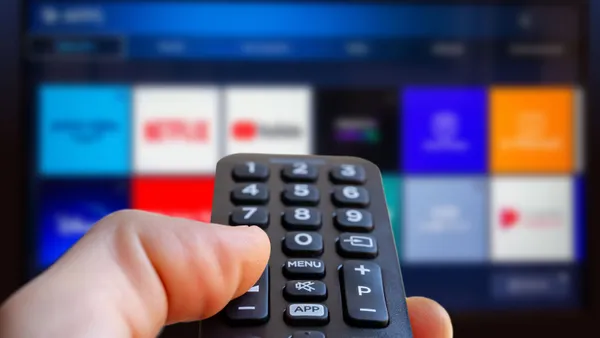
VizioOS, the platform’s operating system, currently reaches between 25% to 30% of U.S. households, the company estimates, and that number could grow. Walmart is implementing a unified login for customers that spans Vizio products as well as the retailer’s Onn TV private-label brand, a streamlined approach that is intended to help advertisers see how streaming engagement influences retail outcomes.
“By unifying account access, we’re creating a seamless experience across screens while laying the groundwork for deeper integration between retail and entertainment,” said Courtney Naudo, senior vice president of business integration and planning at Walmart, in a press statement.
Vizio and Walmart together also engage a significant chunk of customers who are not reached by linear TV buys, according to iSpot data cited by Barmish. That presents an appealing opportunity for brands like L'Oréal, which has teamed with Vizio and Walmart on a product placement integration that weds brand storytelling, commerce capabilities and data.
“Incremental reach or net-new reach is really critical to how we're going to sustain growth,” said Nora Wolfe, senior vice president and U.S. head of media at L’Oréal, during the NewFronts panel with Barmish.
As part of the tie-up, L’Oréal products will appear in VizioOS content across the U.S., with placements informed by Walmart’s retail media insights. Walmart will also create product pages and omnichannel retail touchpoints to link content elements to purchases. The first-to-market partnership with a yet-to-be named global content publisher will have more details available later this year.
“We’re thinking about the home screen really as the front door to the living room,” said L’Oréal’s Wolfe. “It gives us the opportunity to get in front of all 92 million Vizio homes before they pick their content or get behind a paywall where we can’t reach them. And so these are really unmissable moments that we’re strategically aligning with product launches or other really critical messages that we need to get out.”